Understanding the Different Types of Tea
Tea is one of the most widely consumed beverages globally, boasting a rich diversity that caters to various tastes and preferences. The primary categories of tea include black, green, white, oolong, and herbal, each offering unique flavors, aromas, and health benefits.
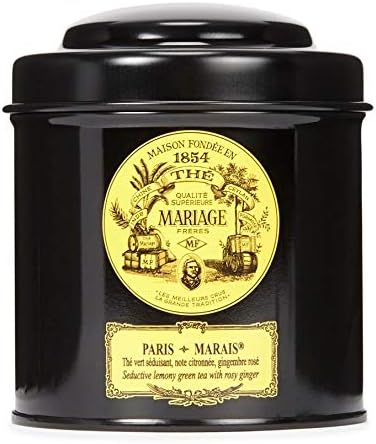



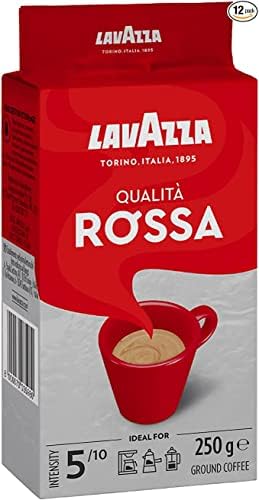


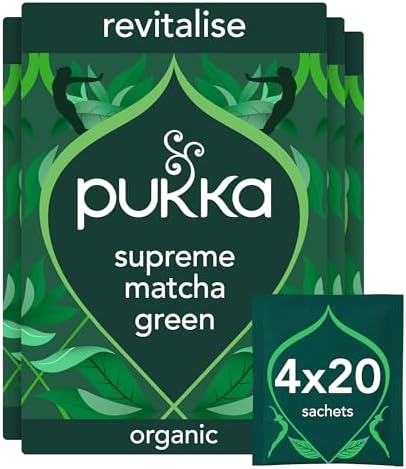


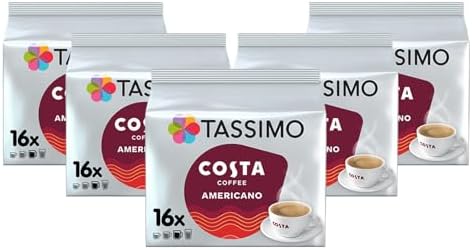


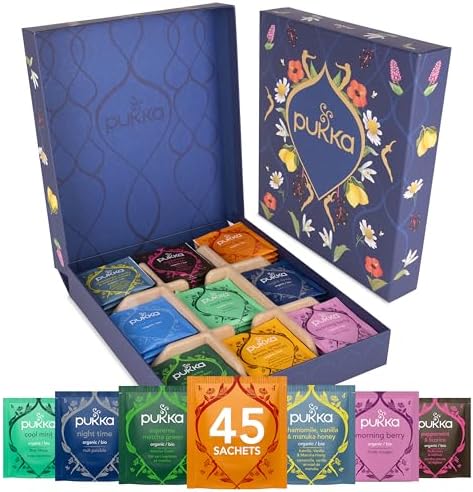

Black tea, fermented during processing, is well-known for its strong flavor and higher caffeine content compared to other types. It is often enjoyed with milk or sugar and can be an excellent morning beverage. In contrast, green tea, which is unfermented, retains more natural antioxidants and is favored for its lighter taste and health-promoting properties, making it a popular choice for those seeking a milder caffeine lift.
Moving on to white tea, it is the least processed, consisting of young buds and leaves. This results in a delicate flavor profile and is rich in antioxidants. Oolong tea lies between black and green tea in terms of oxidation, and it offers a complex taste that varies significantly depending on the processing method.
Herbal teas, while not technically classified as true teas, are made from a blend of herbs, flowers, and fruits. They are naturally caffeine-free and can vary widely in flavor and health benefits, with some known for their calming or digestive properties. Popular examples include chamomile, peppermint, and hibiscus.
When choosing a type of tea, it is essential to consider factors such as caffeine content and personal preference. Each type of tea can cater to different occasions, from the energizing morning black tea to a calming evening herbal infusion. By understanding the distinct flavors and benefits of these various tea types, consumers can make informed choices to enhance their tea drinking experience.
The World of Coffee: Types and Brewing Methods
Coffee is one of the most beloved beverages worldwide, appreciated for both its rich flavors and stimulating effects. The two primary types of coffee beans are Arabica and Robusta. Arabica beans are known for their smooth and nuanced flavor profiles, often possessing a hint of sweetness and acidity. In contrast, Robusta beans tend to have a stronger, more bitter taste and higher caffeine content, making them popular for espresso blends.
Within the coffee realm, there exists a diverse array of coffee beverages. Espresso is often regarded as the foundation of most coffee drinks, created by forcing hot water through finely-ground coffee. Beyond espresso, one may encounter an Americano, which involves adding hot water to espresso, resulting in a milder flavor. The cappuccino combines equal parts espresso, steamed milk, and milk foam, creating a creamy and textured experience. Cold brew, a method gaining popularity, is made by steeping coarsely-ground coffee in cold water for an extended period, often yielding a smoother, less acidic flavor.
The brewing method employed can significantly influence the final flavor of the coffee. For instance, the French press involves steeping coarsely-ground coffee in hot water before pressing the grounds down, allowing for full extraction of flavors. Alternatively, the pour-over method allows for more control over the brewing process, with the water slowly dripping through the coffee grounds, enhancing clarity and brightness in the cup. Espresso machines, on the other hand, provide an intense brewing method that extracts rich flavors quickly under pressure. Each brewing technique and grind size contributes uniquely to the aromatic and taste profile of the resulting cup, emphasizing the importance of choosing the right method and coffee type to suit one’s palate.
Health Considerations: Benefits and Risks of Tea and Coffee
Tea and coffee are two of the most popular beverages consumed worldwide, each offering a unique array of health benefits and potential risks. When discussing the health implications of tea, it is essential to highlight the presence of antioxidants, particularly polyphenols. These compounds are known for their ability to combat oxidative stress and inflammation, potentially leading to lower risks of chronic diseases such as heart disease and certain cancers. For instance, green tea has garnered significant attention for its catechins, which have been linked to improved metabolic health and weight management.
On the other hand, coffee, primarily recognized for its caffeine content, has its own set of advantages. Caffeine can enhance cognitive function, improve mood, and even may lower the risk of neurodegenerative diseases such as Alzheimer’s and Parkinson’s. Additionally, studies suggest that moderate coffee consumption could be associated with a reduced risk of type 2 diabetes and liver disease. However, these benefits are most pronounced when coffee is consumed in moderation.
Despite the potential health benefits of both beverages, excessive consumption can lead to adverse effects. High caffeine intake from coffee may result in anxiety, insomnia, digestive issues, and increased heart rate. Furthermore, individuals sensitive to caffeine could experience jitters or elevated blood pressure. Similarly, while tea generally has a lower caffeine content, excessive intake of certain tea types, particularly those high in oxalates, could pose risks for kidney health.
Specific health conditions require caution when consuming these drinks. For example, people with hypertension might need to monitor their coffee intake, while those on blood-thinning medication should consult healthcare providers about the consumption of certain teas. Understanding one’s own health conditions and predispositions is vital in determining the type and amount of tea or coffee that is appropriate.
Tips for Choosing Your Perfect Brew
Selecting the ideal tea or coffee can be a delightful journey that is shaped by personal preferences, occasions, and health goals. For tea lovers, it is essential to understand the various types such as green, black, oolong, and herbal teas, each providing a distinct flavor profile and health benefits. Similarly, coffee enthusiasts should explore different varieties like Arabica and Robusta, which influence taste and caffeine content.
When seeking a brew that matches your palate, consider the flavor notes that appeal to you. For instance, if you enjoy floral or fruity flavors, opt for teas that highlight these characteristics, such as jasmine or chai. Coffee drinkers may prefer lighter roasts for a fruity zing or darker roasts for a bold and robust experience. Sampling different blends through cafes or tasting events can also be instrumental in discovering your preferences.
For occasions, think about the mood and setting. A calming herbal tea might suit a relaxing evening, while a strong espresso could energize a busy morning. Furthermore, align your choice with your health goals: opt for green tea for its antioxidant properties or a low-caffeine blend if sensitivity to caffeine is a concern.
When purchasing tea and coffee, be mindful of sourcing quality products. Look for those that highlight their origins, as freshly sourced beans and leaves often yield the best flavors. Focus on specialty shops or reputable brands that prioritize sustainability in their production processes.
Proper storage can also enhance your drinking experience. Store coffee beans in an airtight container away from light and moisture to maintain freshness. Similarly, keep tea leaves in a cool, dry place to preserve their potent flavors and aromas.